
BY ANGELA BARBARA, LICENSED ACUPUNCTURIST AND HERBALIST IN MORRIS COUNTY, NEW JERSEY
With hands-on or device-based work, There is a Difference Between Interrupting Pain and Reorganizing It.
When working with pain and tension that is affecting daily life, there are many treatments available that offer fast, noticeable shifts. In this category, many of us look to something “stronger” to give us relief. Deep pressure, strong structural adjustments, and intense bursts of stimulation, vibration, and treatment tension can often give measurable, and significant relief of symptoms.
We may develop the belief that deep and strong work is what is required to resolve our most bothersome health or physical issues. But what part of the treatment is working to resolve the issue beyond symptomatic relief and, perhaps more significantly, why can we receive so much relief only to have to issue come back or get worse as we age?
Maybe some of these statements sound familiar
“You can go as hard as you want, I can handle it.”
“It hurts in a good way, that’s how I know it’s working.”
“If I’m not sore after, it didn’t do much.”
“I’ve tried lighter work and it doesn’t stick.”
“I just need you to get in there and release it.”
“I need really deep work or it doesn’t do anything.”
What short, intense treatments do well
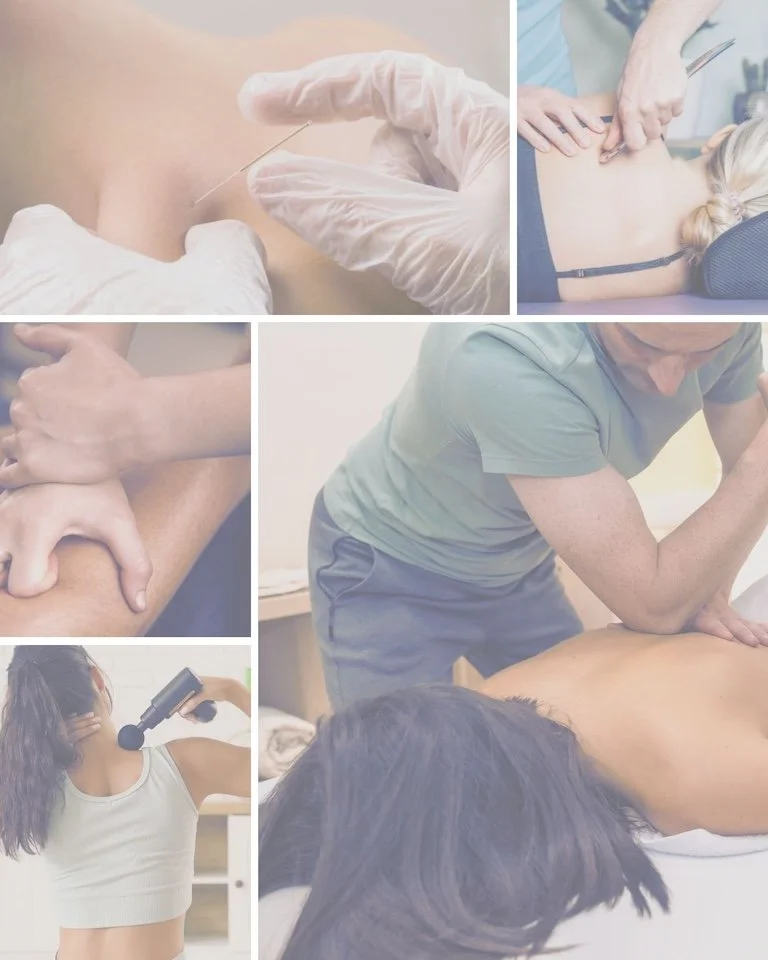
Examples of deep or stronger techniques include massage guns, deep tissue massage, graston, and dry needling.
Deep pressure, strong releases, and targeted stimulation can help with clear, immediate changes in muscle tone, range of motion, and interrupt pain signals. This quick and precise feedback allows us to feel that something happened, something worked, or something released. The system responded quickly because the input was clear and direct. This is useful when something is acute, stuck, or highly reactive. These short-term “wins” will provide a much-needed break and inspire hope that relief is possible.
Where the misunderstanding of deep tissue work begins
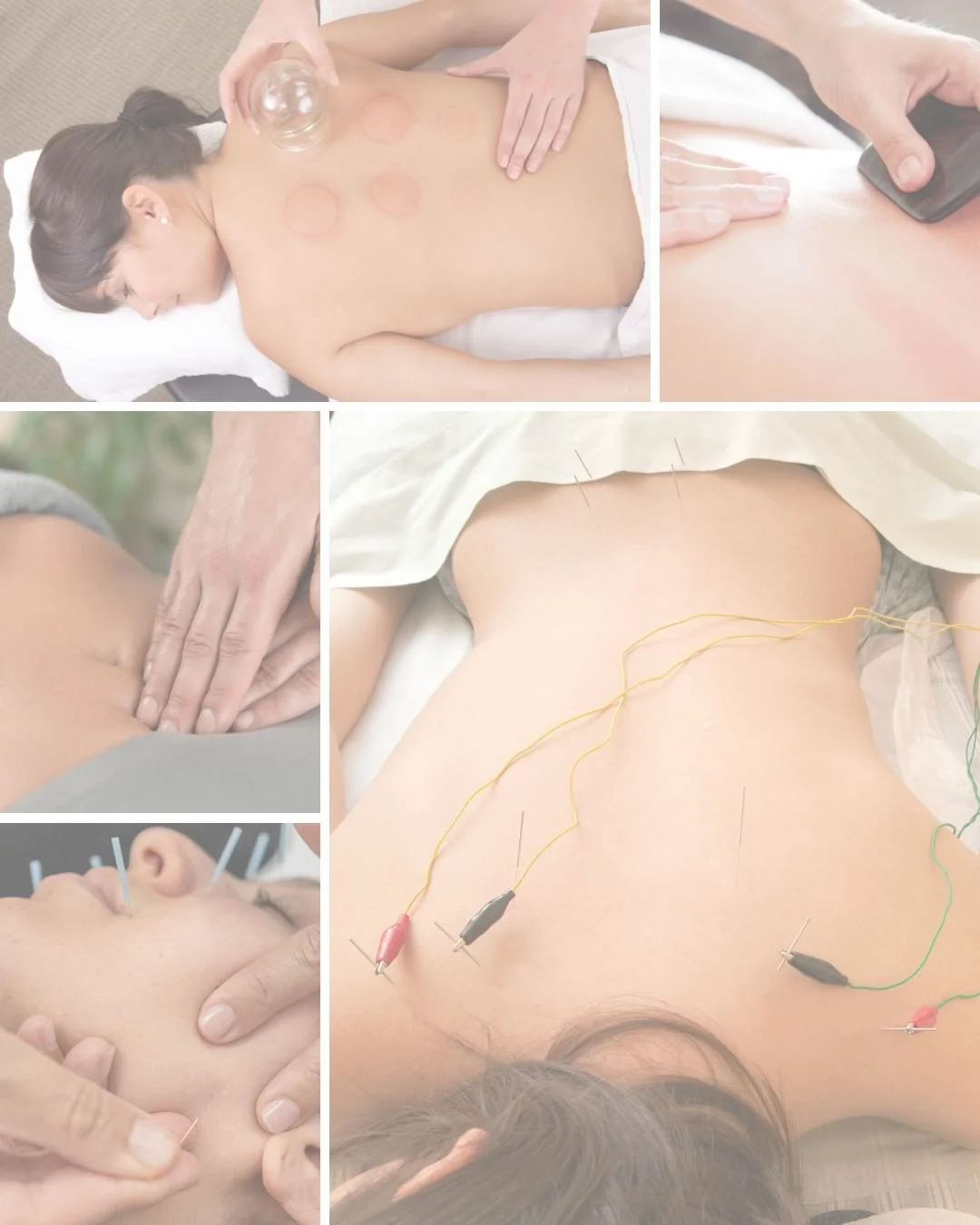
Stronger techniques from an Eastern Medicine approach include acupuncture with electric stimulation, trigger point acupuncture, cupping, gua sha, and some tui na or medical massage methods.
These measurable experiences of relief, while powerful, can lead to beliefs which can keep us stuck in a long-term pattern. When the strong treatment creates a desired change in pain levels, this can become a new reference point that shifts us toward seeking stronger and faster inputs. The immediate changes we feel during and after treatment can be interpreted as a resolution of the issues, causing us to look for the same intensity at each visit, and less dramatic treatments may feel like they are less effective. To put it simply, our systems become adapted to high intensity inputs.
When deep pressure becomes a stressor
The body does not interpret pressure in isolation. Repeated and intense pressure layered onto an already stressed system can reinforce patterns that can prolong the recovery process or leave us stuck in repeating loops of tension and release.
Let’s look at how the emphasis on strong and deep work can be counter to our desired goals through the framework of the 3 different Pattern Types that were discussed in my blog post about jaw clenching and pain.
1. The High Performance/Perfectionism Pattern
People in this category may be experiencing an internal dialogue during treatment with statements like “This should be deeper,” “I really need to get strong pressure on this one spot”, or “I want this treatment to be worth my time and money.” These thoughts can cause subtle bracing during treatment, where there is a feeling of having to tolerate what we are experiencing as opposed to receiving a therapeutic intervention. This will often be counterproductive in reducing tone and tension despite deep pressure. Your practitioner may notice that your tissues feel resistant instead of responsive.
2. The Vigilance Pattern
This pattern involves anticipation, such as tracking the therapist’s next move, flinching, and guarding before or during contact. There is a timing mismatch here, where the system is one step ahead of the moment and the signals get interrupted or confused. When deep pressure or strong structural adjustments and releases land with anticipation, the results can be inconsistent with each session, or there will be lingering, unresolved tension. A skilled practitioner will notice the bracing before a precise or fast technique can be applied effectively.
3. The Depletion Pattern
When someone is experiencing fatigue, burnout, or a chronic health condition, strong pressure may exceed the system’s available capacity. When a body is creating tension to compensate or maintain structure, strong and deep work can remove support faster than it can be rebuilt. These people may experience some relief, but treatments are often followed by fatigue and soreness. Continuing to work only in this way can lead to delayed recovery and even regression of gained success from previous work. An observant practitioner should be able to notice that these types often receive pressure without a lot of resistance, but the tissue can remain dense and not necessarily responsive, and the patient may drift or check out during the session.
a different approach to depth
A slower, more integrated approach is helpful when we’re stuck in a repetitive treatment approach that focuses on short-term responses without any long-term resolution or prevention. Working with models that look at the systemic pattern of the individual, using modalities like acupuncture, massage, qi gong, environmental adjustments, herbal medicine, and social support will work with matching pressure to the system’s needs and capacity, rather than using force to effect change. Because these modalities offer a lower amplitude over time, there is a longer duration for the brain and body to process inputs. When there is an emphasis on timing, regulation, internal feedback, practitioner listening, and relationships, change will build gradually, but it tends to hold longer.
This approach is different because it works to support the whole system before asking it to change, allowing the nervous system to participate in the process sustainably without just trying to constantly override it.
Why this can feel unconvincing at first
When we experience less dramatic “before and after” sensory feedback during a treatment session, it can be harder to measure the changes. If someone is used to intensity, they may be wired to question the effectiveness of subtle shifts. They may not even recognize the improvement until it holds, so this kind of work requires a different way of evaluating progress.
Reframing Progress in treatment and recovery
If we start integrating a treatment plan of using appropriate intensive work for acute interruption (for short term relief) and we combine it with slower work for pattern-level change, we can move our focus away from chasing intensity to distinguishing the difference between relief and change.
We can start to notice what changes hold between sessions and why, with the added asset of knowing how to work on these things outside the treatment room. We will gather a toolset that is unique to us that involves smart decision making based on pattern and not our preference for intensity. In many cases, these changes will start to last with less effort needed.
What this approach to deep or strong pressure means in practice
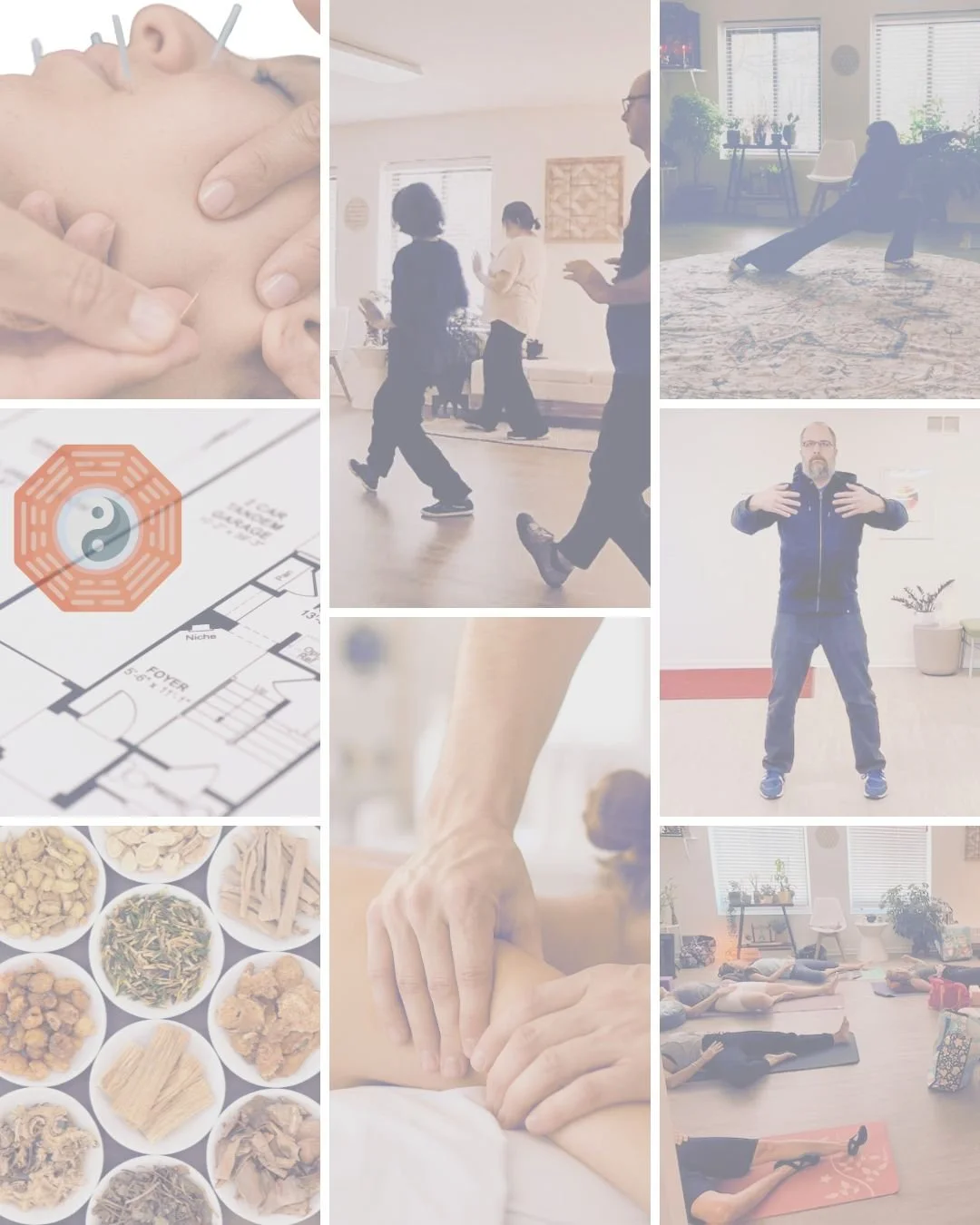
An integrated approach combines stronger hands-on techniques with gentle and system-based acupuncture and massage. Adding mind/body cultivation techniques, plant-based medicine, home and workspace balance, and social support provides a complete framework for recovery, prevention and longevity.
Fast relief and lasting change are not the same process, although they can be used together. The key is matching the appropriate treatment to the pattern of the individual. The effectiveness of deep tissue work, strong stimulation, and structural adjustment techniques depends on context.
This includes the ability of the whole person to receive and process the treatment effectively, and cultivating the proper environment, terrain, and timing for treatments.
I work with people offering symptomatic relief that provides short-term measurable results while building a stronger and more resilient system over time.
Combining hands-on treatment with working with our mind, our relationships, appropriate physical activity for our body’s needs, a healthy and balanced home and work environment, plant-based medicines with centuries of proven effectiveness, and connecting like-minded people help to provide lasting relief and foster a healthy long life.
Working together is easy – find out more here.