
by Angela Barbara, Licensed acupuncturist and herbalist in Morris County, New Jersey
In my acupuncture clinic, jaw clenching is found repeatedly across many conditions. Whether we are working to treat neck pain, headache and migraine, autoimmune conditions, fertility, or athletic performance and strain, the most common secondary issue that is affecting the well-being of my patient’s daily lives is jaw tension.
Jaw issues respond quickly in the short-term to hands-on work like acupuncture or massage, and results can be felt on the same day. This relief is a real and important indicator that this issue can be improved. But in most cases, the clenching and pain return.
Why does jaw clenching keep coming back?
Jaw clenching and pain can return after hands-on work has provided some relief because the jaw is responding daily to an unresolved ongoing pattern. If there is an underlying rhythm of stress, holding tension in the body, inflammation, high performance lifestyle, mental or emotional vigilance, overwork, or lack of rest, the jaw resumes its role of holding on, even after it has been relaxed.
The Jaw is rarely the primary problem.
The jaw is an indicator of the load that the entire person is managing. It is dense with muscles and nerves that share pathways with our sensory organs, facial and neck muscles, blood vessels, nerves, bones, and connective tissues. There is a connection with pelvic alignment and the jaw that is both neurological and anatomical in nature, and issues involving the lower body can play a role. The jaw tends to respond to pressure before other body areas and it is wired to participate in startle and defense reflexes.
Quick Relief v. Pattern Resolution
Yes, the Jaw Can Release Quickly
In treating the jaw, Acupuncturists use highly skilled methods for trigger point release, increasing circulation and reducing inflammation, and calming the nervous system. When combined with hands-on manual therapy, and time to rest during a session, patients will often feel relief the same day as treatment.
But relief is not the same as reorganization
The tension is likely to return due to ongoing bracing and tension caused by the rhythms and challenges of daily life, an unchanged stress load, disrupted sleep patterns, and energy depletion. The jaw may not be able to release for more than a short period of time, even with hands on work or general relaxation methods. Treating the pattern along with treating the symptoms is the key to long-term relief.
Three Patterns Behind Chronic Jaw Tension
Working with patients over the last 12 years, I have found three main primary patterns behind chronic jaw tension and clenching. Within these patterns there can be multiple root causes and solutions, but it has been very helpful to have a place to start in exploring how to resolve this issue which can have such a big impact on our daily lives.
The Vigilance Pattern
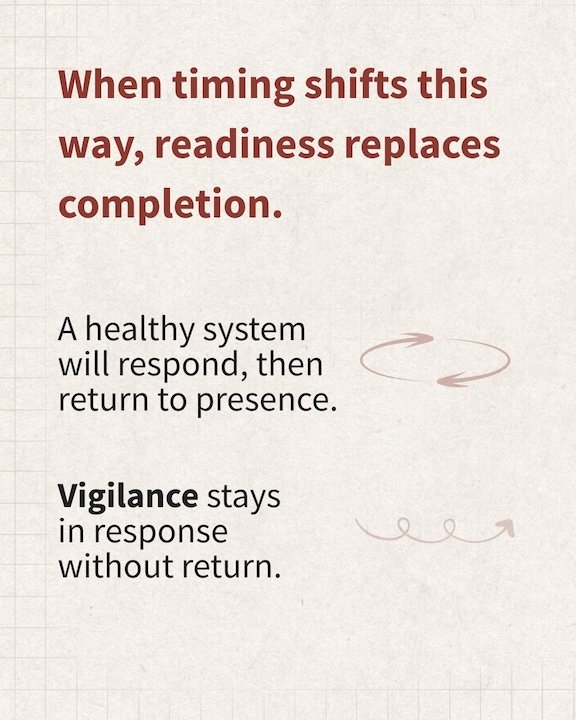
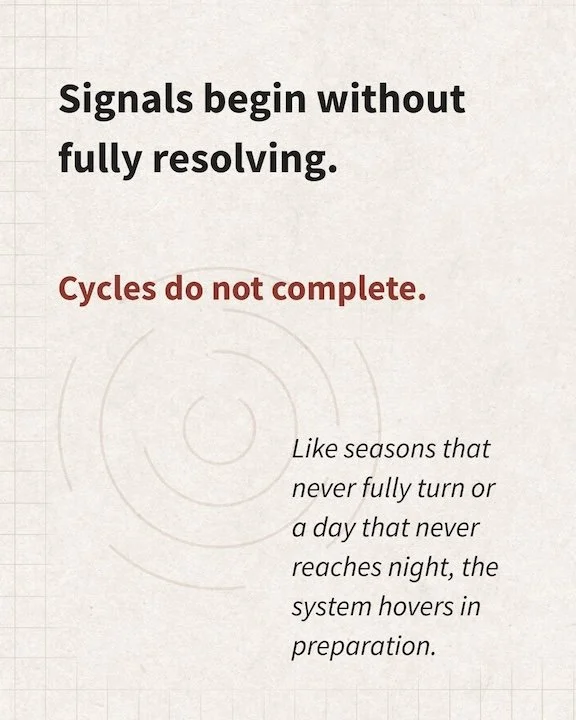
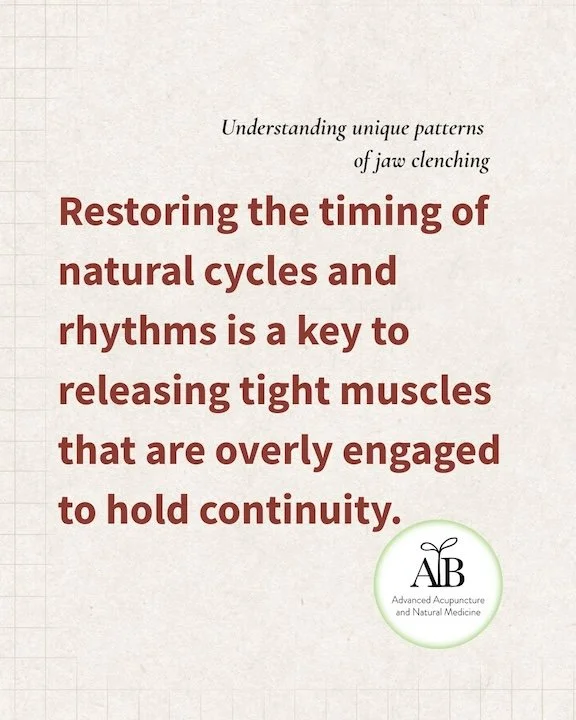
This can often come from overstimulation or a disruption in the brain arousal center’s ability to maintain a natural alternating cycle between alertness and rest. Tension in the jaw is being maintained instead. Symptoms include light clenching throughout the day, sleep disruption, and heightened alertness.
The High-Performance Pattern
This pattern generally arrives from a structured and achievement driven life, found in many high-level achievers like athletes as well as professionals in healthcare, finance, law, the arts, and tech. Another source could be high pressure family relationship and partnership dynamics.
The jaw acts as a stabilizer in situations where uncertainty is unacceptable. Everything can look fine externally, but in roles where the expectation is achievement and reliability, jaw clenching becomes a way to stay composed, and muscle movement can become less responsive and more controlled, creating tension. Accompanying symptoms may include tension headaches, tight neck and shoulders, and irregular digestion.
The Depletion Pattern
Depletion is associated with those under long-term strain, seen in caregivers, patients with chronic health conditions, and overwork. This pattern manifests as the jaw clenching so that the system can maintain external structure and shape for these people to keep going when internal support is low. People with this pattern often experience fatigue, low back ache, or weight gain.
How Chinese Medicine Views the Jaw
It would be highly unusual for the health practices of traditional Chinese medicine to treat the jaw on its own. Instead, we examine the close relationships between one’s physical body, their emotions, and their environment. Careful exploration of interrelated body structures and movement provide clues on the root causes of structural imbalances. We look at the pattern across time and the natural rhythms of life cycles like sleep and digestion. We support long-term changes by increasing the body’s ability to heal and maintain itself.
What changes when the pattern is addressed
The feeling of release that often comes with short-term symptom relief can be extended through balance and support of the body and mind as an interconnected system. Improvement with other long-term issues like sleep disturbance, hormone imbalance, tension in the low back and hips, digestive issues, emotional dysregulation, overactive immune system, headaches and migraines, fatigue, and more become part of the process in resolving chronic jaw tension and clenching.
What Long-Term Resolution Requires
The methods I use will vary in their combination and focus based on a patient’s individual pattern and needs. These may include acupuncture, massage, herbal medicine, movement, meditation, and breathing exercises, and analysis with adjustments in the home environment. The focus for all patients is consistency, structural reorganization, and resource management. This means not trying to force the jaw to relax, but instead skillfully resolving the pattern imbalance for sustainable relief.
If you are located in or near Morris County, New Jersey, and you have been dealing with jaw tension that keeps returning, we can evaluate the broader pattern and create a structured, individual treatment plan. A great first step would be to schedule an in-person consultation.
FAQ
Can acupuncture permanently stop jaw clenching?
Acupuncture can reduce jaw clenching quickly, but lasting change requires addressing the underlying pattern driving the tension.
Is jaw clenching always stress-related?
No. It can relate to structural load, hormonal changes, chronic illness, and long-term depletion.
Why does jaw pain seem to increase in midlife?
Hormones play a role in helping muscles fully turn off after they’ve been working. When there are hormonal changes, like with perimenopause or menopause, muscles still activate to function, but they may not fully let go and some tension remains. Also, the patterns associated with jaw clenching and pain are due to long-term repetitive habituations that can go unnoticed for many years.
Instagram reel discussing jaw clenching in mid-life